
Source
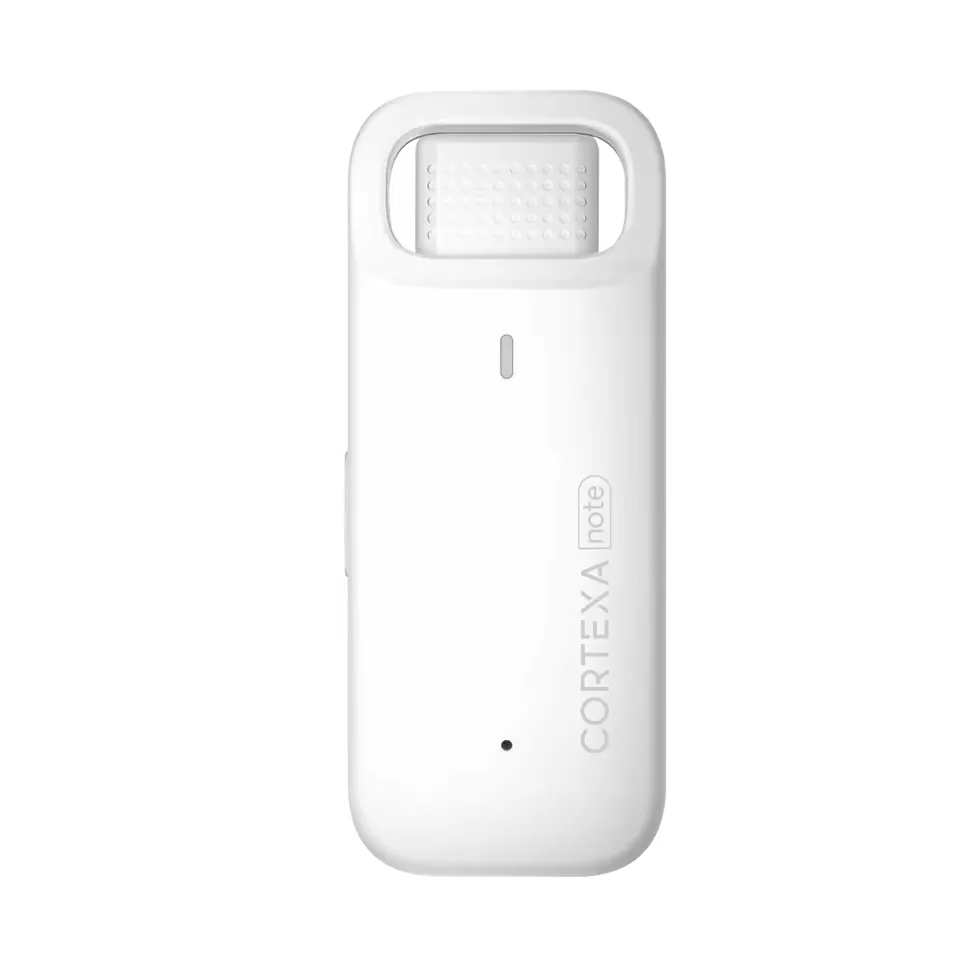
01Record once
Start with consent, capture, and source context instead of rebuilding the encounter later.
Learn more
Product proof
The page structure follows the product job: what changes in the visit, what becomes easier after the visit, and what still stays under clinician control.
Source
01Start with consent, capture, and source context instead of rebuilding the encounter later.
Learn more
Review
02The clinician edits a structured draft rather than formatting the note from scratch.
Learn more
Handoff
03Approved notes, instructions, and task context move toward the systems that need them.
Learn more
Product visuals
Each product page anchors the promise in visible capture, review, sync, or EHR handoff surfaces instead of relying on abstract feature language.

Task source
Follow-up work should be created from source clinical context, not a second admin pass.
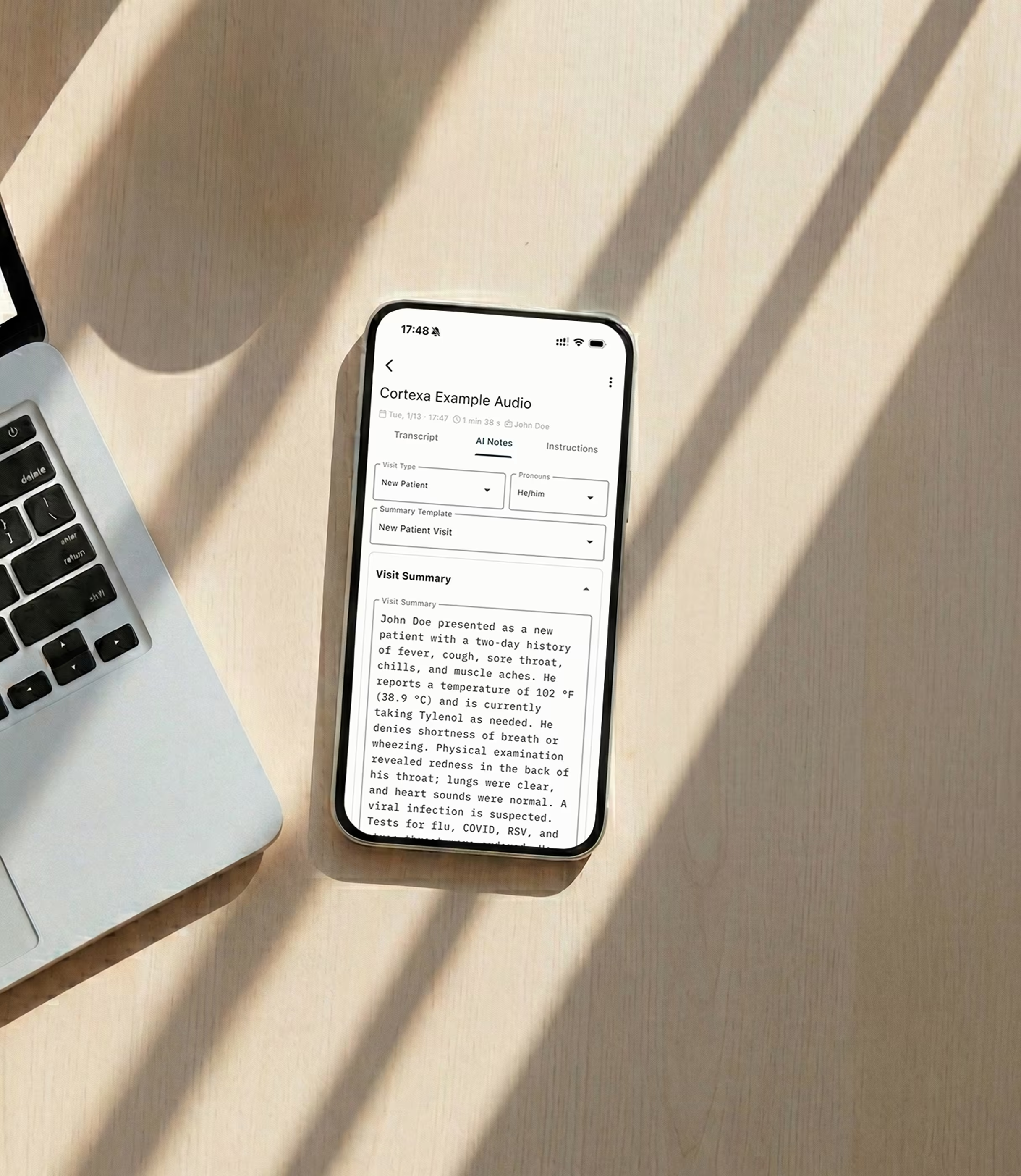
Instructions
The same encounter record can produce the next patient-facing step after clinician review.
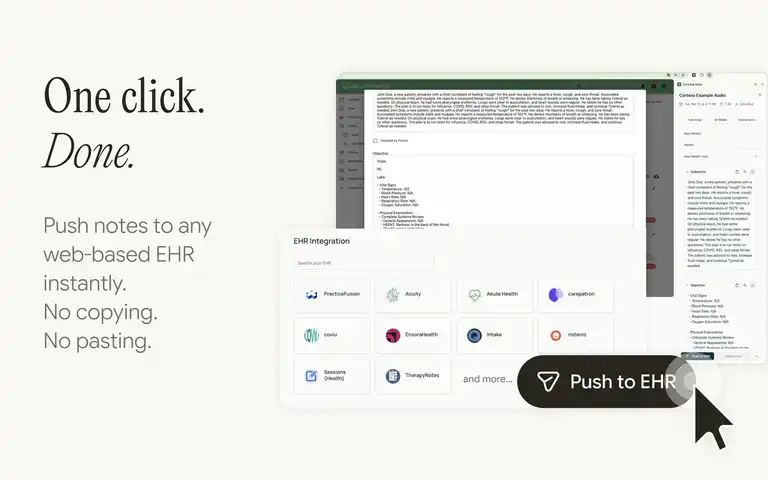
Handoff
Tasks, approved notes, and chart movement belong in one documentation workflow.
Clinical workflow
Tasks turns the CortexaNote encounter record into a cleaner clinical workflow surface.
Review control
Turn documentation into the next operational step. Clinicians keep final review control while the platform removes repetitive formatting, transfer, and follow-up work.
How it works
Each capability keeps a specific path from capture to review instead of falling back to a generic feature tour.
Encounter loop
Consent: Start on solid clinical ground
Source stays attached
Clinician reviews
Handoff stays explicit
“A useful AI scribe closes the loop from source encounter to reviewed record.”
Built to support daily use
The dense capability layer turns the product promise into specific actions clinicians, teams, and operations owners can recognize.
Tasks
01Turn reviewed documentation into patient emails, team review, or import checklist items.
Context
02Let follow-up work carry the transcript, summary, and clinical decision trail.
Patient
03Draft clear next-step language without leaving the encounter record.
Team
04Give admins or clinicians a clearer handoff than a disconnected message.
Readiness
05Make pending EHR movement or follow-up work visible before the visit closes.
Efficiency
06Avoid retyping task context that already exists in the reviewed note.
Care settings
CortexaNote keeps the same operating model while the use case changes by role, setting, and team maturity.
Daily use
01One loop from encounter capture to approved chart-ready note.
Process
02A repeatable handoff pattern for templates, tasks, and EHR movement.
Governance
03Consent, review, and access controls attached to the product workflow.
Related features
Workflow
01Record the encounter, review the structured draft, and move approved notes toward the chart.
Learn more
Capacity
02Give documentation time back to the clinical day without weakening review quality.
Learn more
Personalization
03Tune vocabulary and templates to how your practice documents.
Learn more
Start with a workspace, capture your first encounter, and see what clinical documentation feels like when the busywork is handled.