Operations
01Standardize the operating model
Teams can align templates, review behavior, and workspace expectations across rooms.
Learn more
Growth
Use AI documentation infrastructure to absorb more care volume safely.
Product proof
The page structure follows the product job: what changes in the visit, what becomes easier after the visit, and what still stays under clinician control.
Operations
01Teams can align templates, review behavior, and workspace expectations across rooms.
Learn more
Capacity
02Documentation work becomes visible enough to improve staffing, quality, and adoption decisions.
Learn more
Governance
03Trust posture, billing ownership, and EHR fit stay connected to product use.
Learn more
Product visuals
Each product page anchors the promise in visible capture, review, sync, or EHR handoff surfaces instead of relying on abstract feature language.
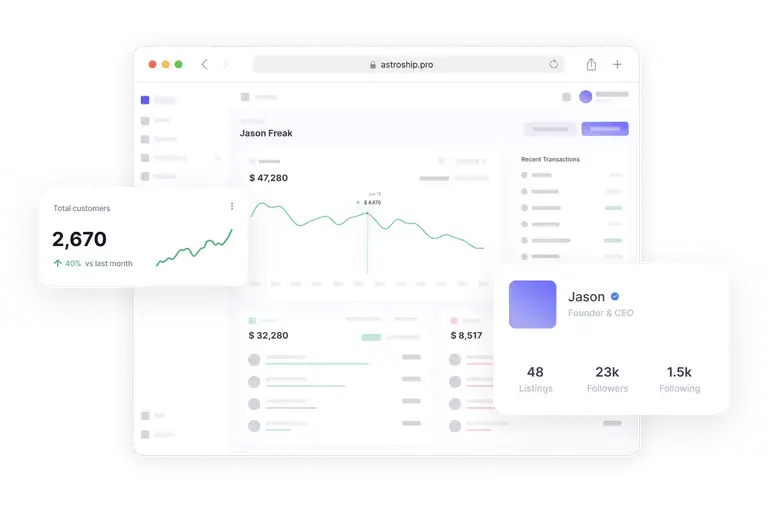
Workspace
The product surface shows a repeatable operating model for templates, review, and approved output.
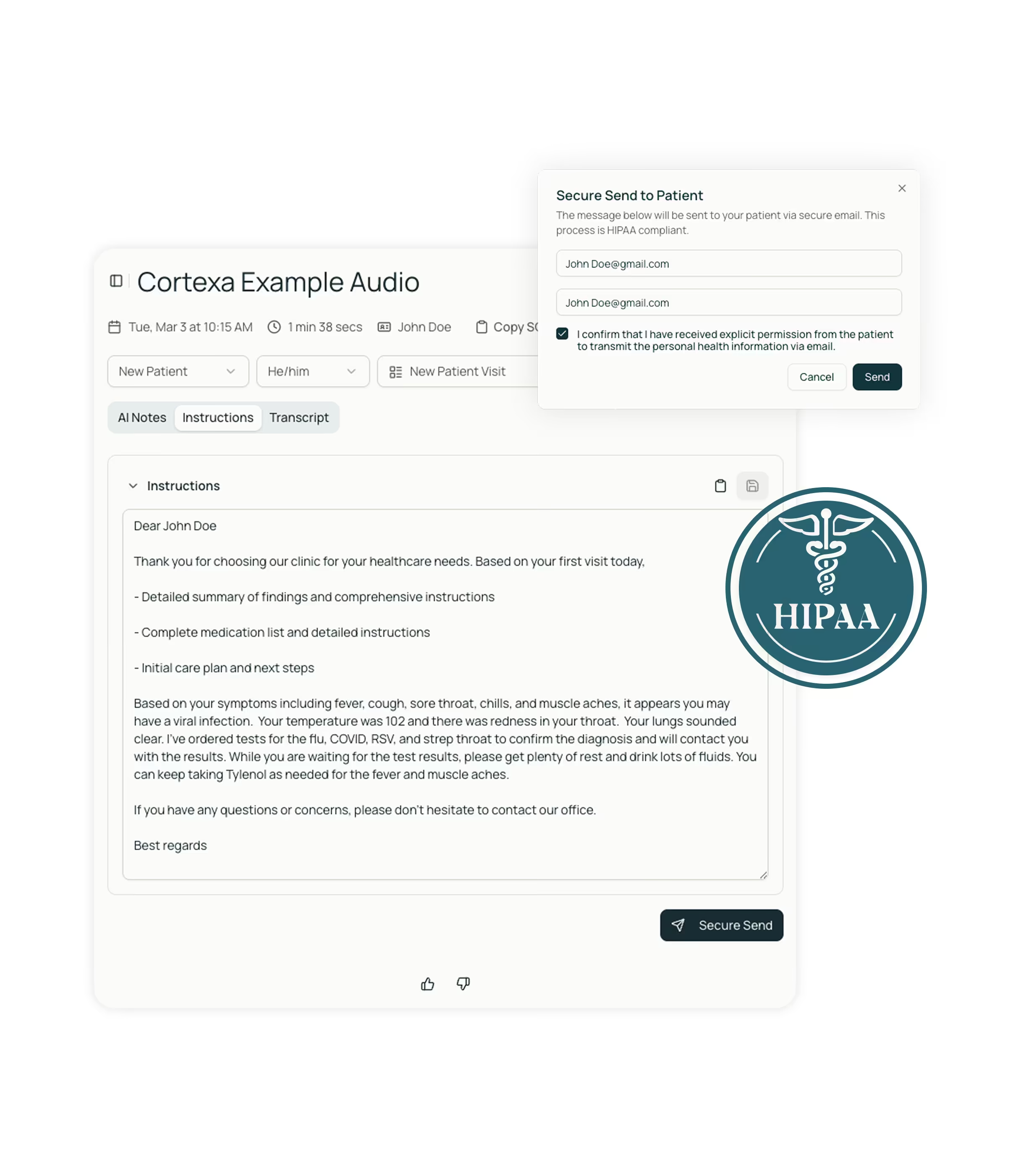
Repeatable loop
The closed loop shows where work begins, where review happens, and where output goes next.
Governance
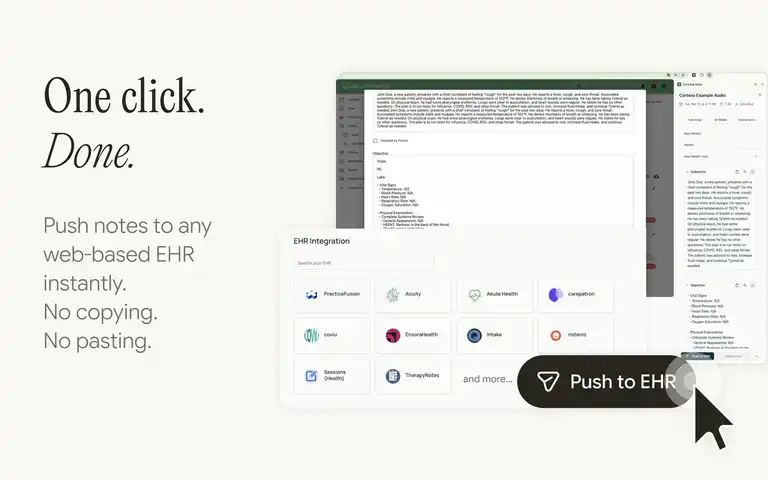
Approved documentation moves toward EHR workflows with the same review posture across the team.
Clinical workflow
Scale capacity turns the CortexaNote encounter record into a cleaner clinical workflow surface.
Review control
Use AI documentation infrastructure to absorb more care volume safely. Clinicians keep final review control while the platform removes repetitive formatting, transfer, and follow-up work.
How it works
Each capability keeps a specific path from capture to review instead of falling back to a generic feature tour.
Encounter loop
Standardize: Define the team workflow
Source stays attached
Clinician reviews
Handoff stays explicit
“Teams scale documentation quality by standardizing the workflow, not by adding more after-hours effort.”
Built to support daily use
The dense capability layer turns the product promise into specific actions clinicians, teams, and operations owners can recognize.
Scale
01Turn documentation relief into a workflow the team can run across more encounters.
Model
02Keep capture, review, templates, and handoff consistent across rooms and roles.
Workspace
03Support member invites, billing, and standards without splintering adoption.
Quality
04Keep structured review visible as visit count grows.
Governance
05Make chart movement and integration expectations part of rollout planning.
Signals
06Surface where templates, support, or team process need adjustment.
Care settings
CortexaNote keeps the same operating model while the use case changes by role, setting, and team maturity.
Operations
01Standardize documentation without turning every clinician into a separate project.
Leadership
02Connect documentation load to workforce capacity and quality.
Rollout
03Roll out by specialty, department, or workspace without losing the core model.
Related features
Workflow
01Record the encounter, review the structured draft, and move approved notes toward the chart.
Learn more
Capacity
02Give documentation time back to the clinical day without weakening review quality.
Learn more
Personalization
03Tune vocabulary and templates to how your practice documents.
Learn more
Workspace standards, governance, and EHR handoff keep growth from turning documentation into disconnected local habits.
Start with a workspace, capture your first encounter, and see what clinical documentation feels like when the busywork is handled.
Try Cortexa